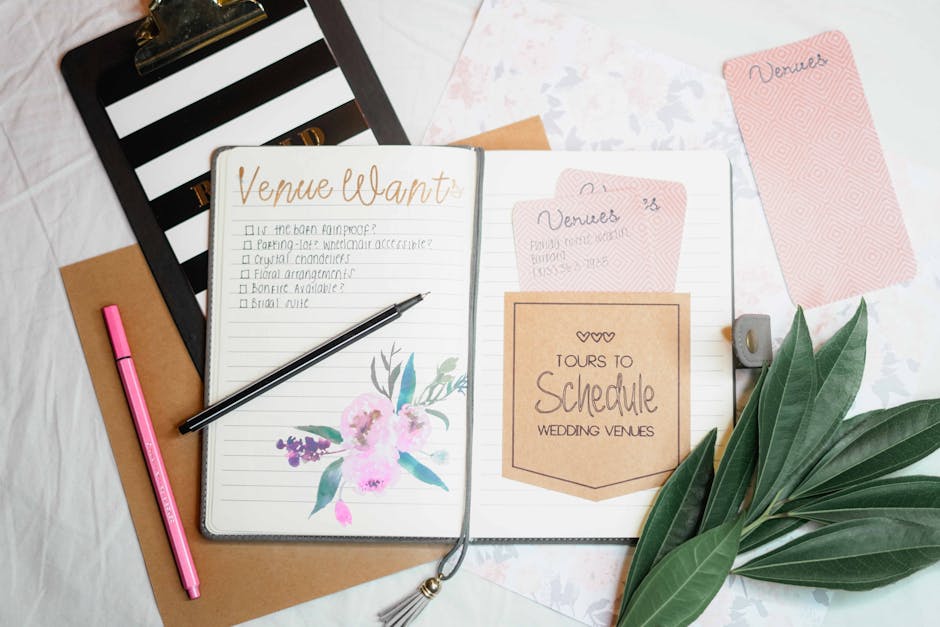
Event planning often begins as a favor. You help a friend arrange a party, volunteer to coordinate a small conference, or organize a community gathering, and you discover the work comes naturally. That casual start can turn into something much bigger. A career in event planning offers many possibilities, including corporate event planning, wedding and social event coordination, and trade shows. The transition from occasional organizer to full-time professional takes planning of its own, and the steps below show what works.
The work rewards organization, creativity, and follow-through, and it suits anyone who enjoys bringing people together. It also requires a mix of practical skills, real experience, and a clear sense of where you want to go.
What Event Planners Actually Do
Event planners arrange the details of a wide range of events. Wedding planners are the most well known, but the profession extends far beyond weddings. Planners also coordinate celebrations such as anniversaries and reunions, along with other large social events. On the corporate side, they manage product launches, galas, and award ceremonies. Nonprofit event planners organize large events with the goal of raising donations for a charity or advocacy organization, including banquets, charity races, and food drives.
In every one of these settings, the role demands expertise in all aspects of event, meeting, and conference planning. That includes cost containment, venue scouting, equipment logistics, and room arrangements. A planner also coordinates vendors, manages the schedule, and handles the marketing and writing that go into invitations, programs, and promotional materials. The work is part project management, part design, and part communication.
Corporate, Social, and Nonprofit Event Planning
The field breaks into three broad areas, and each one suits different working styles.
Corporate event planning covers product launches, galas, award ceremonies, and other company-driven events. These projects often involve strict budgets, executive expectations, and tight timelines.
Wedding and social event coordination is the area most people picture first. It includes weddings, anniversaries, reunions, and milestone celebrations. Work here tends to be client-focused and highly personal.
Nonprofit event planning focuses on fundraising and advocacy. Banquets, charity races, and food drives are common formats, and the success of each event is measured partly by how much it raises for the cause.
Many planners move between these areas over time. Starting in one niche gives you a clear focus while you build experience.

Event Planning Job Titles to Know
Event planning is not a single job title. The industry includes several distinct roles, and each one offers a different entry point. Common job titles include Meeting Planner, Conference Services Manager, Events Manager, Event Coordinator, Event Manager, Event Planner, and Catering Coordinator.
A Meeting Planner focuses on the logistics of business meetings and conferences. A Conference Services Manager often works at a venue and coordinates events held there. An Event Coordinator may handle the day-to-day details of weddings and parties. An Events Manager typically oversees a team or a full calendar of events. A Catering Coordinator focuses on food service and menu planning.
Understanding these titles helps you target your job search and your resume. It also shows how the career path can grow from coordinator-level work into management.
The Skills Every Event Planner Needs
Successful event planners combine organizational strength with genuine people skills. The daily work demands attention to budgets, timelines, contracts, and expectations. Cost containment matters in every segment of the industry, from protecting a client's budget to reporting to a corporate finance team. Venue scouting requires research, negotiation, and good judgment about space and atmosphere. Equipment logistics covers audio-visual needs, staging, furniture, rental deliveries, and everything that has to arrive before guests do. Room arrangements shape how an event flows, so planners give real thought to seating plans and layouts.
Vendor relationships are just as important. Planners interview vendors, compare options, and coordinate their work on the day of the event. Marketing and writing also belong on the list, because events need compelling invitations and promotional content to succeed. Planners who master these skills make themselves valuable to employers and clients alike.
Education Options for Future Event Planners
Formal education can give you a running start, but there is no single required path. Some planners study hospitality, business, or communications at a college. Others complete focused career programs. Penn Foster offers an online Event Planning Career Diploma that teaches the fundamentals of organizing events, including interviewing vendors, marketing, and writing. NYIAD publishes a detailed wedding and event planning career guide that covers pricing, vendor relationships, and finding clients.
The research on this field does not point to one degree that everyone must earn. Instead, the strongest preparation combines structured learning with practice. A course or guide can teach the vocabulary and the process, while real events teach you how to handle the unexpected. If you are considering a program, check the syllabus and make sure it covers budgeting, marketing, vendor coordination, and event logistics.

Event Planner Salary and Job Outlook
Reliable salary data makes the decision easier. The Bureau of Labor Statistics reports that the median annual wage for meeting, convention, and event planners was $59,440 in May 2024. A separate career data source lists the annual salary for event planners at $47,350, which works out to $22.76 per hour. The difference between the two figures reflects the range of roles in the field, from entry-level coordination to senior management.
The outlook is steady as well. The Bureau of Labor Statistics projects about 15,500 openings for meeting, convention, and event planners. That level of demand suggests that skilled planners can find work if they prepare properly and stay persistent in their search.
Steps to Build a Career in Event Planning
Turning a talent for event planning into a full-time career works best when you approach it with intention. These steps are a practical route.
Learn the fundamentals. Take a course, study a career guide, or work under an experienced planner. Cover budgeting, vendor interviews, marketing, writing, and logistics.
Gain hands-on experience. Volunteer for community groups, nonprofits, or small businesses. Real projects teach lessons that classrooms cannot.
Build a portfolio. Document every event you plan, including your role, the venue, the budget, and the outcome. Photos and client notes add credibility.
Choose a niche. Corporate, wedding, and nonprofit planning each demand different skills. Focus on the area that matches your strengths and interests.
Network consistently. Connect with other planners, attend events, and let people know what you do. Most early opportunities come through relationships.
Apply broadly. Search for titles like Event Coordinator, Events Manager, and Meeting Planner, and tailor your resume to each job.

How to Find Your First Clients
Once you have experience, the next challenge is finding clients. Career resources in this field, including NYIAD's wedding and event planning guide, treat pricing, vendor relationships, and client acquisition as core topics. That makes sense, because a planner cannot build a business without a reliable flow of projects.
Start with the people who already know your work. Offer to coordinate events for friends, family, and local organizations, then ask for referrals. Keep your pricing clear and your contracts detailed. As you complete projects successfully, your reputation becomes the strongest marketing tool you have.
Building a career in event planning takes time, but the field rewards those who prepare. Learn the fundamentals, gain real experience, and keep improving your skills. With steady demand and a range of job titles to pursue, there are genuine opportunities for planners who treat the work seriously. The steps above give you a framework; your own effort determines how far it takes you.
Frequently Asked Questions
Is event planning a good career?
It can be, for the right person. The field offers varied work across corporate, social, and nonprofit events, and the Bureau of Labor Statistics projects about 15,500 openings for meeting, convention, and event planners. The median annual wage was $59,440 in May 2024, which shows that employers pay for skilled planning. Success depends on enjoying logistics, people, and problem-solving.
Do you need a degree to become an event planner?
The research does not identify one required degree for this career. Some planners complete college programs, while others earn focused credentials such as Penn Foster's online Event Planning Career Diploma, which covers interviewing vendors, marketing, and writing. NYIAD's career guide covers pricing, vendor relationships, and finding clients. The most reliable route combines formal training with hands-on experience, since real events teach skills that classrooms cannot.
What jobs can event planners do?
Event planners work under many titles, including Meeting Planner, Conference Services Manager, Events Manager, Event Coordinator, Event Manager, Event Planner, and Catering Coordinator. They may specialize in corporate events, weddings and social celebrations, or nonprofit fundraisers. Each role involves venues, budgets, vendors, and logistics, but the setting and the client vary. Understanding these titles helps you target your job search.
Are event planners in demand?
Yes. The Bureau of Labor Statistics projects about 15,500 openings for meeting, convention, and event planners, which points to steady demand. The median annual wage of $59,440 in May 2024 also suggests that employers value planning skills. Demand is strongest for planners who can manage budgets, market events, scout venues, and coordinate vendors, so building those skills improves your chances.