
Companies of all sizes depend on live events to connect with clients, employees, and partners. A corporate event can take many forms, from a product launch to a team retreat to a multi-day conference, and each format carries its own expectations. The people responsible for making these events happen must balance creativity with operational discipline. A successful corporate event strengthens relationships and supports business goals, while a poorly managed one can strain budgets and reputations. The fundamentals outlined here give company organizers a clear starting point. Attention to detail separates a memorable corporate event from a forgettable one.
Why Corporate Events Matter
Live events have become an essential way for businesses to reinvent their marketing strategies and build momentum in competitive markets. Strong regional economies host innumerable corporate events each year, particularly in business-friendly areas with a mix of technology, finance, telecommunications, healthcare, energy, transportation, and manufacturing companies. Beyond marketing, corporate events help organizations foster strong relationships with their audiences and employees around the globe. A well-executed event is not simply a gathering; it is a business tool that produces conversations, alignment, and results long after the last session ends.
Dallas offers a useful example. The city hosts innumerable corporate events each year, driven by strong industries in technology, finance, telecommunications, healthcare, energy, transportation, and manufacturing. Many Fortune 500 companies are based in Dallas or Fort Worth, including AT&T, Bank of America, and Southwest Airlines. For these companies, live events are a regular part of doing business.
What a Corporate Event Planner Does
A corporate event planner is a professional who devises meetings, conferences, trade shows, seminars, retreats, and other events for businesses. In practice, the planner moves an event from concept to completion and handles logistics, vendor coordination, and budgeting along the way. Some planners sit inside a company's own team, while others work for full-service event planning and production companies that specialize in corporate events, nonprofit galas and fundraisers, conferences, and festivals. The best planners combine project management with creative thinking.
Types of Corporate Events You May Need to Plan
The category of corporate events is broad. Organizers commonly plan:
- Business meetings and seminars
- Conferences and trade shows
- Company retreats
- Networking events and workshops
- Product launches and galas
Core Responsibilities of an Event Organizer
Corporate event planning requires a full understanding of logistics, entertainment, audio visual systems, fabrication, catering, presentations, breakout sessions, social engagement, and the marketing that leads up to and follows the event. Each of these areas demands attention, and they all interact. A change in the schedule affects catering, a new venue affects audio visual needs, and a delay in marketing affects attendance. Experienced organizers track these dependencies carefully.
Set Clear Goals Before You Start Planning
Every successful corporate event starts with a clear goal. That goal shapes the venue, the agenda, the audience, and the budget. A company introducing a new product has different priorities than a company holding an annual retreat. When the goal is clear, decisions become easier and the event can be evaluated against a defined outcome. Planners should write the goal down and share it with vendors and team members so everyone stays focused.

The Core Areas Every Corporate Plan Must Cover
Planners refer to the complete set of disciplines that come together on event day. A strong corporate event plan addresses each one:
- Logistics: timelines, venue coordination, and the movement of people and materials
- Entertainment and audio visual: sound, lighting, staging, and programming
- Fabrication: custom scenery, branding, and structural elements
- Catering: menu planning, food service, and presentation
- Presentations and breakout sessions: content that delivers real value to attendees
- Social engagement: networking and interaction among guests
- Pre-event and post-event marketing: promotion and follow-up communication
Design the Attendee Experience
The attendee experience is built from more than the main presentation. Breakout sessions, catering, entertainment, and audio visual quality all shape how people feel about the event. Social engagement, whether structured networking or informal conversation, gives attendees a reason to connect. Entertainment and audio visual elements need the same planning discipline as the schedule and the budget.
Practical Tips for Planning a Successful Corporate Event
Designing and planning a corporate event can seem like a challenging job because so many elements are involved. Organizers are responsible for making sure the event is not only successful but also memorable, useful, and inspiring, often with finite resources and time. That outcome is achievable with smart planning, a strong team, a clear goal, and a standout venue.
Set a Realistic Budget
Setting a realistic and well-thought-out budget is one of the first and most important steps in corporate event planning. The budget shapes every decision that follows, from venue selection to catering to production. A realistic budget gives planners confidence and prevents surprises. It should cover all the core areas of the event and include room for the unexpected expenses that almost always appear.
Pick an Inspiring Venue
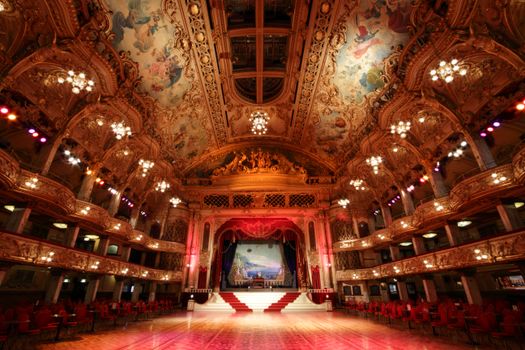
The venue sets the tone for the entire event, which is why choosing an inspiring venue is a common recommendation among experienced planners. The right space supports the goals of the event, fits the expected attendance, and leaves a positive impression on guests. Location and accessibility matter as much as the look of the room. For companies without an in-house events team, full-service planners can handle venue scouting and the coordination that follows.
Create a Detailed Schedule and Plan Ahead
Creating a clear and detailed plan is at the center of every successful corporate event. Developing a thorough schedule helps each stakeholder know what is happening, when it is happening, and who is responsible. Planning ahead gives organizers time to secure vendors, confirm technical requirements, and rehearse presentations. It also surfaces potential problems while there is still time to solve them.
Bring Creative Ideas to the Table
Practical logistics keep an event running, but attendees remember the experience. A creative concept separates a corporate event from an ordinary workday. Planners can use the budget and venue as a starting point and build a theme that reinforces the company's message. Thoughtful touches in catering, entertainment, and staging make the event more engaging without adding unnecessary complexity.
Build a Strong Team and Stay Flexible
No single person can manage every detail of a corporate event alone. A strong team divides the workload, while a clear goal keeps everyone moving in the same direction. Event day rarely goes exactly as planned, so organizers should stay flexible and ready to adapt. The combination of a solid plan and a responsive team turns a well-organized event into a genuinely successful one.
Working With Professional Corporate Event Planners
Many companies choose to work with a seasoned corporate event planner, especially for large or technically complex projects. Full-service event planning and production companies specialize in corporate events, nonprofit galas and fundraisers, conferences, and festivals. Regional planners, such as 828 Planning in Indianapolis, focus on conferences, networking events, workshops, product launches, and galas. Professional planners bring experience, vendor relationships, and production knowledge that internal teams may not have in-house.
Professional planners also understand the marketing that leads up to an event and the follow-up communication after it ends. They can coordinate presentations, breakout sessions, and social engagement so the event feels cohesive from start to finish.
How Technology Supports Corporate Event Planning
Technology has made corporate event planning more manageable for teams of every size. Event creation platforms allow organizers to build event pages, track RSVPs, and manage ticketing in one place. Some platforms, including mobile-first tools like Eventweet, combine location-based event discovery with AI-powered planning support. Social media integrations make cross-platform promotion easier, and AI tools can generate event descriptions and marketing copy in seconds. For small and medium-sized organizers, these tools deliver professional results without a large staff.
RSVP tracking and ticketing tools give organizers a real-time view of attendance, while location-based search helps attendees and planners find nearby venues and attractions. AI prompt generators can turn a few notes into polished event descriptions and marketing assets.

Marketing Before and After the Event
The marketing that leads up to a corporate event, and the follow-up after it ends, is part of the planner's responsibility. Pre-event promotion builds attendance and anticipation, while post-event communication keeps the conversation going with attendees, sponsors, and internal stakeholders. Social engagement during the event extends its reach in real time. Organizers who treat marketing as a core planning activity rather than an afterthought get more value from every event they produce.
Frequently Asked Questions
What is a corporate event planner?
A corporate event planner is a professional who devises meetings, conferences, trade shows, seminars, retreats, and other events for businesses. The planner manages the event from concept to completion, handling logistics, vendor coordination, and budgeting. Planners may work in-house for one company or for full-service agencies that support many corporate clients.
What types of events do corporate event planners organize?
Corporate planners organize business meetings, conferences, trade shows, seminars, retreats, networking events, workshops, product launches, and galas. Full-service planning companies also handle nonprofit fundraisers and festivals. The mix depends on the company and its goals, but the process stays consistent: define the goal, set the budget, manage the details, and deliver a useful experience.
Why do companies hire corporate event planners?
Live events are an essential way for businesses to reinvent marketing strategies and strengthen relationships with audiences and employees. Experienced planners bring a full understanding of logistics, entertainment, audio visual, catering, and marketing that internal teams may not have. Hiring a professional also lets company staff focus on content and business outcomes.
How does technology help with corporate event planning?
Technology supports corporate event planning through event creation tools with RSVP tracking and ticketing, social media integrations for promotion, location-based venue search, and AI-assisted content generation. These tools reduce repetitive work and help organizers maintain a professional presence. Small and medium-sized teams can coordinate complex events with limited staff and still deliver a polished result.