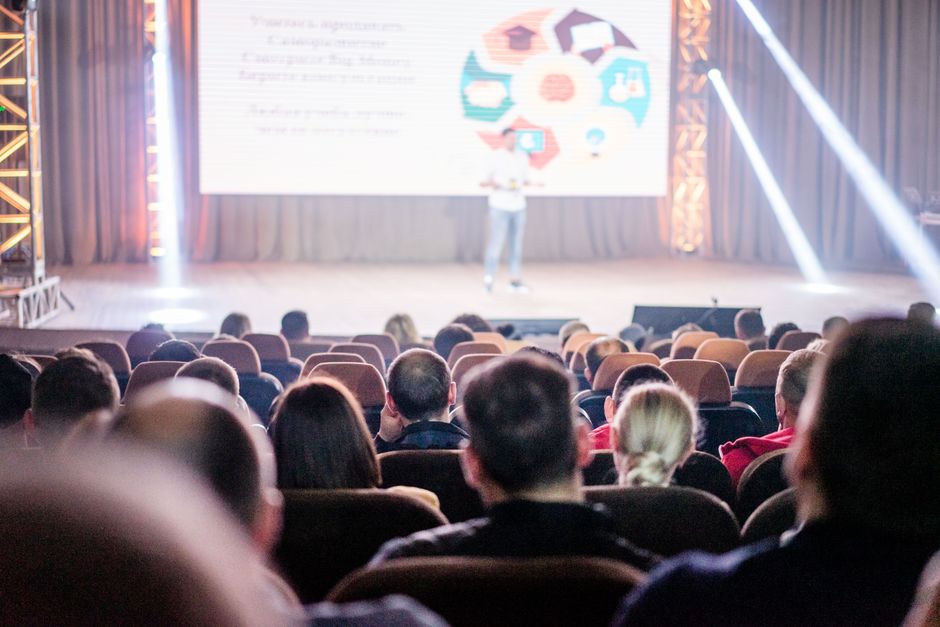
Event marketing is the strategic process of promoting an event to attract attendees, build brand awareness, and create memorable experiences that support broader business goals. For organizers planning conferences, product launches, networking mixers, and community gatherings, the approach has grown into a discipline of its own. Success in 2026 depends on a coordinated effort that begins long before doors open and continues through the final moments of the experience.
The event itself sits at the center of this effort, but the marketing around it determines who shows up, how engaged attendees are, and what they remember afterward. Understanding what event marketing means, why it matters for attendee growth, and how to build a plan that brings the right people to your next event is the first step toward a well-attended experience.
What Is Event Marketing?
At its core, event marketing is the experiential marketing of a brand, service, or product through memorable experiences or promotional events. The brand message is delivered through the experience itself, not just through advertising copy. This typically involves direct interaction between attendees and a brand's representatives, which gives the audience a chance to see, touch, and ask questions about what is being promoted.
This definition points to an important distinction. Event marketing is often confused with event management, but the two are not the same. Event management is the process of organizing the practical details of an event, such as scheduling, logistics, venues, and production. Event marketing, by contrast, is the promotional strategy that attracts attendees and builds a lasting, brand-focused impression. An event may be managed flawlessly, but without marketing, very few people will know it exists.
Another way to look at it: event marketing is a strategy that uses live experiences to promote a brand, product, or service. It is also the planning, organizing, and executing of an event with the goal of promoting a brand in a way that creates direct, face-to-face interactions between the company and its audience. Whether those interactions happen in person or through a live online format, the purpose remains the same: to create buzz around a product or brand while giving attendees something valuable to take away.
Why Event Marketing Matters for Attracting Attendees
Effective event marketing can help companies connect with their audience and build brand awareness in a new and exciting way. Live experiences stand apart from other marketing channels because they ask the audience to participate rather than simply observe. Participation creates stronger memories, and those memories can translate into loyalty and repeat attendance.
Event marketing also supports customer growth. The strategy helps a business gain new customers and improve relationships with existing clients. A well-marketed event brings prospective customers into direct contact with the brand, while giving current clients a reason to deepen their engagement. Both outcomes contribute to the long-term health of an organization.
Events also generate buzz. Attendees who register and show up are likely to tell others what they experienced. This word-of-mouth effect is one reason event marketing pairs well with digital campaigns. Each share, post, and conversation expands the reach of the event beyond the people who attended.

Build an Event Marketing Plan for 2026
A thoughtful plan increases the chances that promotional efforts will reach the right audience at the right time. Organizers can approach the planning process in clear, manageable stages, starting with the essentials and moving toward promotion.
Know Your Event Basics
Every marketing decision flows from a clear understanding of the event itself. Define the purpose of the event, who it is for, and what attendees will gain from participating. These basics shape everything from the event name to the way it is promoted to the type of experience you design. When the basics are clear, the rest of the marketing plan has a solid foundation to build on.
Create a Branded Event Website
A branded event website gives the event a home where prospective attendees can learn the details. It centralizes the agenda, speakers, location, and registration information in a place that is easy to share and easy to find. A dedicated website also gives the event a level of polish and credibility that casual social media posts cannot match. Attendees are more likely to trust an event that looks professionally presented, and that trust directly affects registration.
Set Up a Mobile Event App
A mobile event app adds convenience for attendees before the event begins. Guests can browse the schedule, review session details, and make a plan for their day. The app also extends the event experience beyond the registration page, giving organizers a channel for updates and announcements. When an app is promoted as part of the marketing plan, it gives attendees another reason to engage with the event in the days leading up to it.
Promote With Purpose
Once the website and app are in place, the next stage is filling the event with attendees. Promotional activities should point people back to the registration page and give them a clear motivation to act. Each message should emphasize a benefit the attendee will receive, such as useful content, valuable connections, or a memorable experience.

Practical Strategies to Attract Attendees in 2026
Beyond the structure of the plan itself, certain principles make an event easier to promote and easier for people to say yes to. Organizers can keep these strategies in mind throughout the marketing process.
- Make the event worth talking about. Event marketing works through memorable experiences. Attendees remember how an event made them feel, and they share those impressions with others. Design moments that give people a story to tell.
- Build direct interaction into the format. Events create a direct, face-to-face connection between a brand and its audience. Structure the schedule so attendees can speak with hosts, ask questions, and participate rather than passively watch.
- Use promotional events as stepping stones. Smaller promotional events can introduce the brand to new audiences and generate interest in the main event. These early touchpoints build familiarity and warm up prospective attendees before registration opens.
- Embrace both in-person and virtual formats. Event marketing covers a range of activities that promote a brand through in-person or virtual experiences. An online audience extends the reach of an event, while the live gathering creates the depth of connection that virtual channels alone cannot always provide.
Create Buzz Around Your Brand and Event
Event marketing is, at its heart, a promotional strategy that makes a lasting brand-focused impression. It is not enough to announce an event once and wait for registrations. Buzz is created through repeated, consistent exposure across the full lifecycle of the event: before, during, and after.
Before the event, communication should build anticipation and answer the questions attendees care about. Focus on clear value and specific details that help people decide to participate. During the event, the experience itself becomes the marketing, and engaged attendees sharing the moment extend the reach of the brand to their own networks. After the event, follow-up content keeps the conversation going and lays the groundwork for future attendance. That arc from anticipation to experience to memory is what makes event marketing an effective tool for attendee growth.
Experiential marketers who want to improve their events can also rely on publications and resources devoted to the latest trends, data, and research. The event space shifts quickly, and audience expectations change with each new season of programming. Staying informed about current practices helps organizers fine-tune their strategies and avoid relying on outdated assumptions.
Organizers should also remember that no single event marketing tactic works for every audience. The best approach depends on the event's goals, the audience's preferences, and the resources available to the organizing team. Testing different messages, formats, and timing helps organizers learn what their specific audience responds to.
Frequently Asked Questions
What is event marketing?
Event marketing is the strategic process of promoting an event to attract attendees, build brand awareness, and create memorable brand experiences. It promotes a product, service, or brand through direct interaction between the audience and brand representatives, often in a live or virtual format. Event marketing is not the same as event management, which focuses on the operational process of organizing an event.
How do I attract attendees to my event?
Start by defining the basic purpose of the event and the audience you want to reach, then create a branded event website and a mobile event app so potential attendees can find key details and register. Continue with promotion that emphasizes memorable experiences, direct interaction, and clear value. Repeat your message across the full life of the event to build genuine buzz.
What is the difference between event marketing and event management?
Event management is the operational process of organizing an event, including logistics, scheduling, venues, and production details. Event marketing is the promotional strategy that attracts attendees and promotes a brand, product, or service through the event experience. The event manager makes sure the event runs smoothly, while the event marketer makes sure people know it exists and decide to attend.
Is event marketing effective for events of any size?
Event marketing can be adapted to events of many sizes because the core objective is the same: connect with an audience, build brand awareness, and leave a lasting impression. A small mixer, workshop, or community gathering benefits from the same building blocks, including clear event basics, a simple way to share event details, and direct interaction between hosts and guests.