
Plans do not always start with a clear idea. Sometimes the weekend arrives and the calendar is still empty. The fastest way to fill it is to look for local events. A quick search can reveal concerts, food festivals, sports games, classes, and community gatherings that you did not know existed.
In 2026, local events discovery has become more precise. Instead of scrolling through generic listings, people can search by location, interest, and event type. The result is a shorter path from asking what is happening to confirming that you are going.
What Local Events Discovery Means in 2026
Local events discovery is the process of finding events happening around you based on your location and interests. It is not limited to concerts. The category covers food festivals, sports games, classes, workshops, conferences, corporate events, and even online events.
A strong discovery tool organizes these options clearly. It lets you filter by distance, date, and category. It also respects your personal preferences. When the tool understands what you like, the recommendations feel useful rather than random. That is the core promise of smart discovery in the coming year.
The Categories That Shape Event Search
Most event platforms group listings into familiar categories. Knowing these categories helps you search faster and compare options side by side. Common categories include:
- Concerts and live music
- Classes and workshops
- Festivals and fairs
- Conferences and corporate events
- Online events
- Nightlife
- Performing and visual arts
- Holiday events
- Food and drink experiences
- Hobbies and interest groups
Some platforms add dating events and business networking opportunities. Others include sports and fitness options. The value of a category system is that it turns a broad list of possibilities into a focused shortlist.
Start With Location-Based Search
Location is the foundation of smart event discovery. A platform that knows where you are can show what is happening nearby. This matters whether you are at home, traveling for work, or visiting a new city.
Location-based search is also useful for spontaneous plans. If you want to find free events near you, a quick search can surface local concerts, food festivals, and sports games. This approach saves time and reduces the need to check multiple websites.
Real communities illustrate the value of this approach. Gilbert, Arizona, maintains an events calendar that helps visitors and residents find everything from music festivals to local markets. Baltimore County invites people to explore local events to reward their curiosity and fill their calendars with memorable experiences. These community resources work because they are tied to a place.

Match What You Find to What You Love
Distance is not the only factor that matters. Relevance is just as important. The best discovery tools match event listings to your personal interests.
Families, for example, might look for educational drop-in programs and special events that are fun for everyone. A children's museum could offer three floors of open play areas plus rotating programs throughout the year. Someone who enjoys fitness might search for outdoor activities like fitness in the park. A creative person might want writing workshops. A food lover might look for a pop-up featuring a specific cuisine.
When your search reflects your interests, the results become more useful. You stop scrolling through irrelevant listings and start planning around things you will actually enjoy.
The Role of Community Calendars
Cities, counties, and neighborhoods publish their own event calendars. These community calendars are often the most reliable source for hyper-local information.
Some calendars are organized around a specific development or district. A neighborhood hub might list pop-ups, live performances, and special community gatherings. Others cover an entire region and include major annual events and festivals.
Community calendars matter because they are maintained by people who know the area. They capture the small events that national platforms might miss. Checking these calendars regularly helps you stay connected to your local scene.
Online and Hybrid Events Expand Discovery
Event discovery is no longer limited to physical locations. Online events have become a standard category on many platforms. This expands the range of options for people who prefer to participate from home or who want to attend events outside their region.
Conferences and corporate events often offer online attendance. Classes and workshops frequently have virtual versions. The same discovery tools that help you find in-person events can also help you sort through digital options.
For organizers, this creates more opportunities to reach attendees. For attendees, it means a full calendar does not always require leaving the house.
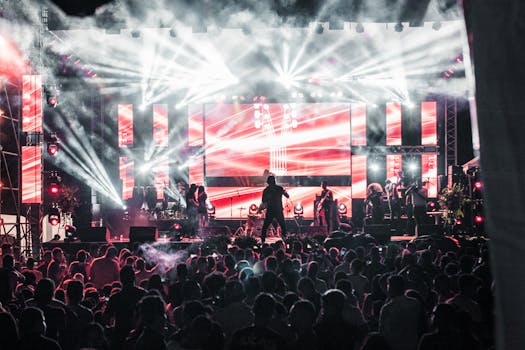
What Makes a Good Events Calendar
A useful events calendar is more than a list of dates. It is complete, current, and easy to browse. Look for these features:
- Clear categories and filters
- Recurring event information
- Dates and times that are easy to scan
- Links to tickets or registration
- Location and parking details
- Updates for new or changed events
A good calendar also indicates the scope of its coverage. Knowing whether a listing covers a single neighborhood or an entire county helps you judge how relevant the results will be.
How to Evaluate an Event Discovery Tool
Not every platform is built the same way. When choosing a tool for local events discovery, consider what it offers beyond basic listings.
Start with search. Can you filter by location, category, and date? Are free events easy to identify? Next, consider the planning side. Does the platform support RSVP tracking or registration? Can you save events and revisit them later?
Social features also matter. Some platforms let you follow organizers, share event plans, and see what friends are attending. Finally, check whether the tool works for organizers as well as attendees. Platforms that support event creation and promotion give you more flexibility over time.
Events Worth Discovering: Real Examples
Real examples show how varied local discovery can be. In Bend, Oregon, a community events page lists pop-ups, live performances, and special gatherings. One example is a Global Eats Pop-Up featuring Soos Korean BBQ, alongside events like Uncorked Tuesday and a one-year anniversary celebration for a local business.
In Houston, Discovery Green offers a mix of activities including bumper boats, cruiser boat rentals, fitness in the park, writing workshops, and a flea market. These varied listings make a local calendar genuinely useful.
Family-friendly venues also contribute. Port Discovery provides drop-in programs and special events that are educational and entertaining for the whole family. These listings give parents reliable options for weekend plans.

Using Discovery Platforms for Smarter Planning
Modern event platforms do more than publish dates. They combine location-based search with planning tools. This is where platforms like Eventweet fit into the picture.
Eventweet is a mobile-first platform that combines event discovery, creation, and social networking. It offers location-based search for nearby venues and attractions. It also provides RSVP tracking, ticketing tools, and AI-powered content generation for organizers. Social media integrations help event hosts promote their events across multiple channels.
For attendees, the benefit is a single space for finding and planning around events. For organizers, the same platform supports promotion and guest management. This integrated approach is becoming the standard for smart event discovery.
Make Local Discovery a Weekly Habit
Local events change quickly. Annual festivals come and go. Seasonal pop-ups appear without much notice. New community programs launch throughout the year.
To stay in the loop, make discovery a regular habit. Check your local event calendar each week. Follow venues and organizers that match your interests. Set your location in any discovery app so recommendations stay relevant. When you find an event you like, confirm the details with the organizer before making plans.
Consistency matters more than occasional deep searches. A few minutes each week can keep your calendar full of things you actually want to do.
Frequently Asked Questions
What is local events discovery?
Local events discovery is the process of finding events happening near you based on your location and interests. It covers concerts, food festivals, sports games, classes, workshops, conferences, online events, and more. A good discovery tool organizes these options into searchable categories so you can quickly identify events that fit your schedule.
How do I find free events near me?
Many event platforms let you filter for free events. Apps like AllEvents help people browse local concerts, food festivals, and sports games while highlighting free options nearby. Community calendars and venue pages are also useful, since many organizations list free drop-in programs, open play time, and public events. Always confirm the event details with the official organizer before attending.
What types of events should I look for on a local calendar?
The right mix depends on your interests. Popular categories include concerts, classes and workshops, festivals and fairs, conferences, corporate events, and online events. Families might look for educational programs and open play areas. Food lovers can search for pop-ups and tasting events. Start with categories that match your lifestyle, then broaden your search as you explore.
How can event organizers use discovery platforms?
Organizers can use discovery platforms to reach attendees while managing logistics. Some platforms offer RSVP tracking, ticketing, and social media integration. AI-powered tools can help generate event descriptions and promotional copy. Location-based search also makes it easier for nearby attendees to find the event. This combination of discovery and management tools saves time for hosts.