
Virality is rarely pure luck, and it is almost never something you can order on demand. What small hosts can control is the groundwork: a clear audience, content people want to pass along, and a moment worth filming. Get those three pieces right and the sharing tends to follow. Get them wrong and no amount of paid boosting will save the room.
This playbook keeps the tactics realistic for independent organizers and small teams. Everything here can be run without a large budget, and most of it starts well before the doors open.
Start With One Specific Audience Instead of Everyone
The first step in any viral push is deciding exactly who you want to reach. Not a demographic dump, but a real group of people with a shared interest, a shared location, or a shared problem your event solves. Jodi Rodriguez, CMP, puts audience clarity at the front of her guidance on making events go viral, and it holds up: a message written for a narrow group travels further inside that group than a generic message ever will.
Write down three things before you post anything. Who is the event for, what will they get that they cannot get elsewhere, and where do those people already spend time online. That last answer tells you which platforms deserve your effort. If your audience lives in one community group or one niche feed, a focused push there beats a scattered presence on five networks.
Narrow also means easier to please. When you know the group, you can name the specific reason they would tag a friend: a topic only they argue about, a speaker only they follow, a format only they would enjoy.
Ask for the Share Long Before You Need It
Organizers often wait until ticket sales lag before asking anyone to spread the word. By then the ask feels like a favor under pressure. Rodriguez's advice runs the other way: ask interested visitors to like, tag, and share well before the event, and ask directly for the share rather than hoping it happens.
Practically, that means building the ask into every touchpoint. The RSVP confirmation page, the reminder message, the caption on your announcement post. Keep the wording simple and concrete. "Tag one person who would come with you" gives people a specific action. "Please share" gives them a vague one they can ignore politely.
Early shares also do something else useful. They tell you which channels have real reach and which are quiet, so you can put your remaining effort where it already has traction.
Write Titles and Copy People Actually Want to Pass Along
Event promotion guidance repeatedly lands on the same fundamentals: come up with exciting titles, diversify your content, use subheadings, and make everything shareable. Each of these is a small craft decision that stacks up.
- An exciting title is specific and vivid rather than descriptive and flat.
- Diversified content means mixing formats, such as a short video, a still image, a written update, and a speaker quote, instead of repeating one graphic.
- Subheadings matter even in short posts and event descriptions, because readers skim before they commit.
- Shareable means the piece works on its own when a stranger sees it out of context, with no inside knowledge required.
All of this feeds event brand awareness. Every piece of content that reaches someone new is doing recognition work, even if that person does not buy a ticket today. On Eventweet, the AI prompt generator can help draft event descriptions and promotional copy faster, which matters when you need several variations of the same announcement for different channels.

Lead With Storytelling, Then Choose Your Timing
Organic buzz comes from storytelling, timing, micro-influencers, and community power. Those four are the recurring ingredients in events that spread without a large media budget. Storytelling is the one most hosts skip, usually because they describe logistics instead of stakes.
Swap the agenda for the reason. Instead of listing a schedule, tell the story of why this event exists, who it is for, and what changes for someone who attends. A workshop is a room where a skill gets learned. A meetup is the place where a specific kind of person finally finds their people. The story is what someone forwards to a friend.
Timing works alongside it. A long, quiet build gives people time to plan and share, while a concentrated push closer to the date creates urgency. Both have a place, and the mistake is running only one of them.
Pair Creativity With Data and Authenticity With Story
One useful framing for 2026 is that virality comes from aligning creativity with data, authenticity with storytelling, and technology with human emotion. That is less abstract than it sounds.
Creativity with data means you make something bold and then check whether it worked. Authenticity with storytelling means the story has to be true to the event, because audiences detect manufactured hype quickly. Technology with human emotion means tools handle the repetitive parts, like drafting copy or scheduling posts, so you can spend attention on the human details that actually move people.
For a small host, that might look like using a content tool to produce five versions of an announcement, then choosing the one that sounds most like you rather than the one that sounds most polished.
Capture the Room While It Is Full
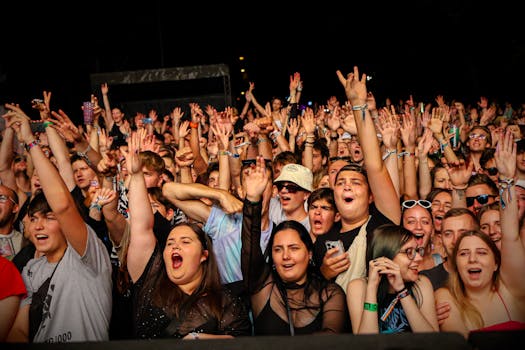
The single biggest content opportunity is the event itself, and it is the one most often wasted. During the event, take videos of speakers and activities as they happen. Making those videos and other content available online can be exactly what pushes an event into wider circulation.
Plan the capture in advance. Decide who films, what moments matter, and where footage goes afterward. Short clips of a speaker mid-argument, a workshop mid-task, or a crowd reacting tend to travel better than polished recap videos, because they feel like being in the room.
Get permission where it is needed, and be clear with attendees that content is being captured. Consider a simple consent note during registration so nobody is surprised later.
Make Sharing Frictionless: Links, Hashtags, and Good Content
Practical virality advice tends to reduce to a few moves: use the URL, get smart with social media, get some hashtag help, and create cool, compelling content. The order matters less than the consistency.
- Put the event link everywhere, in every caption, bio, and story frame.
- Choose one hashtag and use it consistently so posts collect in one place.
- Give people a reason to use it, such as a prompt to post their own photos.
- Keep the content genuinely interesting, because a hashtag cannot rescue a dull post.
Cross-posting is where small teams lose time. Eventweet integrates social media APIs for cross-platform promotion and RSVP tracking, which keeps the link, the hashtag, and the guest list in one workflow instead of three browser tabs.
Recruit Micro-Influencers and Lean on Community
Micro-influencers are named among the tactics that create organic buzz, and they suit small hosts better than large names. Someone with a tight, engaged following in your niche can mention your event in a way that feels like a recommendation rather than an advertisement.
Community power is the other half. Existing groups, local clubs, and regulars who already trust you will carry a message further than any cold outreach. Give them something easy to forward and make them feel like part of the event rather than a distribution channel.
Run Campaigns and Stunts That Give People Something to Talk About
Proven promotion advice includes social media campaigns, influencer collaborations, and out-of-the-box stunts. A stunt does not need to be expensive. It needs to be surprising, safe, and easy to describe in one sentence, because that sentence is what gets repeated.
Pair any stunt with a campaign structure: an announcement, a build-up series, a live moment, and a follow-up. A single clever idea with no rhythm around it usually fades in a day.

Measure What Spread and Ask People Directly
Watch saves, shares, comments, and the questions arriving in your inbox. Those are signals about which message landed. Community organizers swap notes on this constantly, and one recurring question in event production forums is simply which methods have been best for bringing more people to a public event. The answers vary by event type, which is why asking directly matters.
Survey your attendees after the event. Ask what made them decide to come and where they first heard about it. That single question tells you more about your next campaign than most analytics dashboards will.
A Simple Before, During, and After Rhythm
| Stage | Focus | Actions |
|---|---|---|
| Before | Audience and asks | Define the specific group, ask for likes, tags, and shares early, build a consistent hashtag and link |
| Before | Content and partners | Write exciting titles, diversify formats, line up micro-influencers and community groups |
| During | Capture | Film speakers and activities, post clips while the energy is live |
| After | Amplify and learn | Publish footage online, thank sharers, ask attendees how they heard about you |
None of these steps guarantees a viral moment. What they do guarantee is that when a post does catch, you have a link ready, a hashtag collecting the posts, footage worth watching, and a guest list that can handle the attention. For small hosts, that preparation is the real advantage.
Frequently Asked Questions
How do you make something go viral?
Align creativity with data, authenticity with storytelling, and technology with human emotion. In practice that means making something genuinely interesting, telling a true story about why it matters, and using tools to handle repetitive promotion so you can focus on the human details. Then capture content during the event and publish it where people already gather.
How do you hype up an event before it happens?
Ask for the share early and ask directly. Invite interested people to like, tag, and share well before the date, use a consistent hashtag and event link, and vary your content formats so the build-up does not repeat the same graphic. Micro-influencers and existing community groups can carry the message further than cold posting.
What content should hosts capture during an event?
Take videos of speakers and activities as they happen. Short clips of a talk, a workshop, or a crowd reaction usually travel better than a polished recap, because they feel like being in the room. Make that footage available online afterward and get attendee consent during registration so nobody is caught off guard.
Do micro-influencers help small events go viral?
They are one of the recurring ingredients in events that create organic buzz, alongside storytelling, timing, and community power. A creator with a tight, engaged following in your niche can recommend your event in a way that reads as genuine. Community groups and regulars who already trust you often spread a message even further.