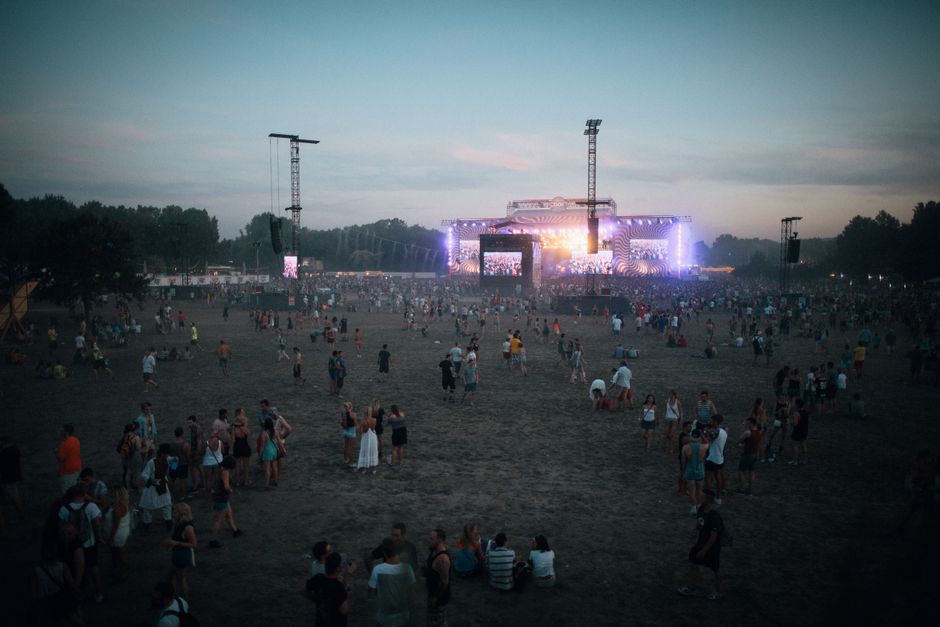
There is a special energy that fills a room when people gather for a shared purpose. Laughter, conversation, music, applause. The anticipation before a headline act takes the stage, the hum of a festival crowd, the delight of discovering something new. That energy is what makes events exciting, and it is also what makes planning them such a rewarding challenge.
An event can take countless forms. Merriam-Webster defines it simply as "something that happens: occurrence." The Cambridge Dictionary goes further, describing an event as an activity that is planned for a special purpose and usually involves a lot of people, such as a meeting, party, trade show, or conference. Every definition points to the same core idea: an event is a moment of connection, deliberately created so that people can experience something together.
What Makes an Event an Event?
The word "event" carries more weight than it first appears. In everyday conversation, people use it to describe anything from a small dinner party to an international conference. Merriam-Webster also notes that the term can refer to a postulated outcome, condition, or eventuality, and even to the outcome or determination of a legal action. In the context of planning and gatherings, however, the Cambridge definition is the one that matters most: an event is planned, it has a special purpose, and it brings people together.
That planning element is what separates an event from simply something that happens. A spontaneous meeting of friends is wonderful, but an event involves intention. Someone decides on a date, chooses a venue, spreads the word, and prepares an experience. The excitement begins long before the first guest arrives, in the careful work that makes the occasion feel seamless.
The Variety of Events That Spark Excitement
One reason events are so thrilling is their variety. The Eventbrite category list alone covers music, nightlife, performing and visual arts, holidays, dating, hobbies, business, and food and drink. That range means there is an event for nearly every interest, and the discovery experience is part of the fun.
Popular discovery categories show just how far events extend beyond the classic party or meeting:
- Local events and concerts
- Classes and workshops
- Festivals and fairs
- Conferences and corporate events
- Online events
Each category offers a different flavor of excitement. A concert delivers the adrenaline of live performance. A workshop creates the satisfaction of learning a new skill. A festival layers music, food, and art into one immersive experience. A conference connects professionals around shared ideas. Online events have also found their place, proving that the excitement of gathering can travel through a screen.

Cities That Celebrate Events Year-Round
Some cities have built their identity around events. Austin, Texas, offers a wide range of experiences, from music concerts and food festivals to sports competitions, museum displays, exhibits, and family fun. Orlando is described as a regional events capital, with hundreds of cultural, music, and sports events happening throughout the year. Grand Rapids takes a similar approach, hosting festivals that celebrate everything from art and automobiles to food and comedy.
| City | Event Highlights |
|---|---|
| Austin, Texas | Music concerts, food festivals, sports competitions, museum displays, exhibits, family fun |
| Orlando, Florida | Hundreds of cultural, music, and sports events throughout the year |
| Grand Rapids, Michigan | Festivals for art, automobiles, food, and comedy; top touring acts and local talent |
These cities show how a thriving event scene can energize an entire community, drawing crowds, supporting local businesses, and creating shared memories. For planners, they also demonstrate the value of knowing what a location has to offer.
The Business Side of Events
Behind every exciting event is a practical operation that makes it possible. Tickets must be sold, promotions must reach the right audience, and sponsors must be engaged. Events.com highlights this reality, noting that organizers can generate more event revenue by selling tickets online, promoting their events, and finding sponsors to grow their event business.
For organizers, an event is more than a moment of fun. It is a project with goals, budgets, and outcomes. Attendance numbers matter. Revenue matters. The experience matters most of all. Getting all three right requires more than enthusiasm; it requires the right tools and a clear plan.
Tools That Make Event Planning Easier
The good news is that modern platforms have made the planning process far less intimidating. Eventweet, for example, is a mobile-first event discovery and creation platform that combines location-based event search with AI-powered planning and marketing tools. It is designed for individual event creators, small-to-medium event organizers, professional networking hosts, and social event enthusiasts who want a streamlined way to manage every stage of an event.
Location-based search helps people find nearby venues and attractions, which is especially valuable in event-rich cities like Austin, Orlando, and Grand Rapids. Instead of guessing what is happening nearby, attendees can search their area and discover events that match their interests.
For organizers, the creation process is supported by features that handle the details. RSVP tracking keeps attendance organized, ticketing manages entry and payments, and host payouts ensure organizers receive the revenue they have earned. Social networking features such as profiles, feeds, posts, comments, and followers help build a community around an organizer's events, so each new gathering has an audience waiting to hear about it.
One of the most exciting developments in event planning is the use of artificial intelligence. AI prompt generators can create event descriptions, marketing assets, and promotional copy in seconds, saving organizers from the blank-page problem. Instead of struggling to find the right words, they can generate polished content and refine it to match their voice. Integrations with social media, OpenAI, and mapping and location services tie everything together, so promotion and planning happen in fewer steps.
Turning Excitement Into Action
The excitement of an event does not begin when the doors open. It begins with an idea, grows through planning, and builds as the word spreads. Every detail, from the venue to the ticket page to the promotional post, contributes to the anticipation that makes people want to attend.
For attendees, tools that make discovery easy are the key to finding unforgettable experiences. For organizers, a platform that combines creation, promotion, and community in one place can mean the difference between a stressful scramble and a confident countdown. The goal is simple: create moments worth showing up for and make it effortless for people to find them.
Frequently Asked Questions
What is the definition of an event?
An event is something that happens, an occurrence, according to Merriam-Webster. The Cambridge Dictionary adds context, defining it as an activity that is planned for a special purpose and usually involves a lot of people, such as a meeting, party, trade show, or conference. In event planning, the practical definition centers on a purposeful gathering of people.
What types of events can be planned?
Events span a wide range of categories. Common types include concerts, nightlife gatherings, performing and visual arts shows, holiday celebrations, classes and workshops, festivals and fairs, conferences, corporate events, and online events. Food and drink experiences also draw large crowds. The variety means planners can find or create an event format that suits almost any audience or interest.
How do organizers generate revenue from events?
According to Events.com, organizers can generate more event revenue by selling tickets online, promoting their events, and finding sponsors. Ticketing and RSVP tools help manage attendance and payments, while promotion expands reach and drives ticket sales. Sponsorships provide another income stream and can help grow an event business over time.
Why is location important for event discovery?
Location-based search helps attendees find nearby venues, attractions, and gatherings that match their interests. Cities such as Orlando, described as a regional events capital, host hundreds of cultural, music, and sports events throughout the year. When attendees can search by location, they can quickly identify events that are convenient and relevant to them.
How can AI support event planning?
AI tools can generate event descriptions, marketing assets, and promotional copy using simple prompts. This saves organizers time and helps them maintain a consistent voice across their promotions. Integrated with social media and mapping services, AI-assisted planning can simplify the work of creating, promoting, and managing an event from start to finish.