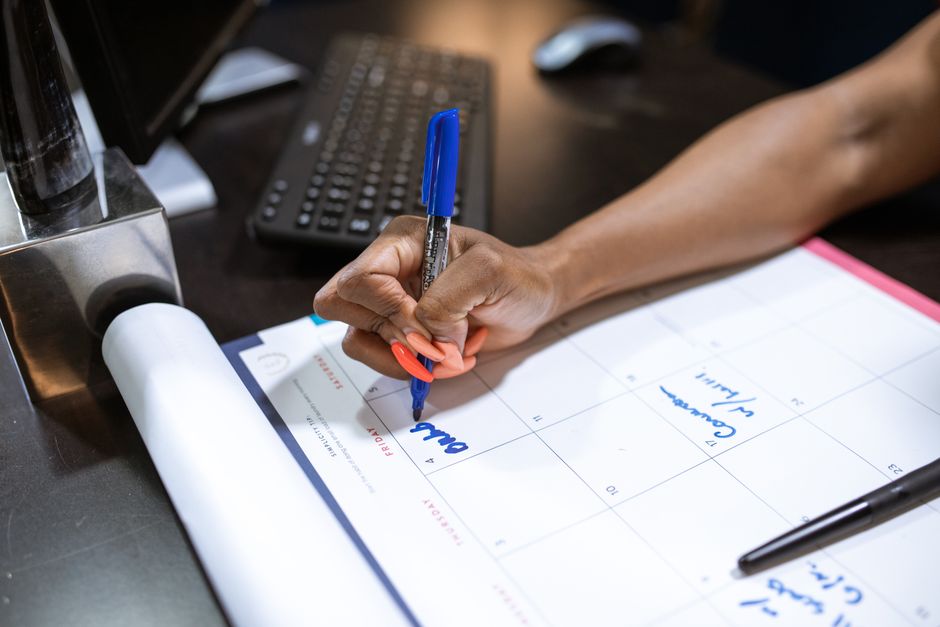
Building a vacation around a specific event can give your trip a clear purpose. A music festival, a conference, a food fair, or a sporting match gives you a fixed date and location, and everything else in your itinerary can flow from that anchor. The key is to organize the rest of your travel so the event feels effortless and you still have time to explore. This approach to trip planning works well for solo travelers, couples, and groups alike, because the event becomes a shared highlight that shapes the whole journey.
Good trip planning starts with research. When you are building an itinerary around an event, look beyond the obvious ticket purchase. You also need to know the venue's neighborhood, the best way to get there, and what else is happening nearby during your stay. That research gets easier when you know which tools to use and how to structure your days. The sections below walk through the practical steps, from finding events to choosing planning apps and building a schedule with room to breathe.
Start with the event and search local-area calendars
The event itself should be the first thing you lock into your calendar. Once the date is set, you can work backward to plan flights, accommodation, and daily activities. Experienced travelers recommend doing an online search for local-area event calendars and reviewing their offerings before finalizing a plan. These calendars often list smaller happenings that do not appear in mainstream travel guides, such as community markets, art walks, and live music nights.
If you are traveling internationally, language can be a barrier when scanning event listings. An important tip from frequent travelers is to use a translation tool while browsing local event sites. That simple step can open up a much wider range of options than you would find in English-language search results alone. You can also search Meetup.com for interest-based gatherings, which is a useful way to find niche events and connect with locals who share your hobbies.
Once you have a shortlist of events, sort them by date and location. Grouping events that happen close together in the same part of town will save you time and transportation costs. It also makes your itinerary feel more relaxed, because you are not constantly crossing the city to reach the next activity.
Choose trip planning tools that keep everything in one place
Many travelers start their trip planning in a notes app or a Google Doc, and that approach works for a while. But as the itinerary grows, it becomes harder to keep reservations, addresses, and activity ideas organized. Travelers in online communities often say they want something easier to use, where everything lives in one place. Dedicated trip planning apps answer that need by combining your schedule, bookings, and ideas in a single view.
Several tools stand out in the research pack, and each one handles the all-in-one idea a little differently.
| Tool | What it offers for trip planning |
|---|---|
| Wanderlog | Create detailed itineraries, explore user-shared guides, and manage bookings seamlessly in one place. |
| TripIt | Keeps all your planned trips in one place, available online and through a free app. |
| Stippl | Free AI trip planner used by 1.5M+ travelers; build a full itinerary, track budget, manage packing lists, and keep every trip organized. |
| Tripadvisor | Build a trip with your saved places, use AI for custom recommendations, collaborate with friends, and organize trip ideas. |
For event-focused trips, a tool that holds your bookings and daily schedule side by side is especially valuable. You can see your festival ticket confirmation, dinner reservation, and museum entry all in the same app. That reduces the mental load of juggling multiple confirmations and lets you focus on enjoying the experience.
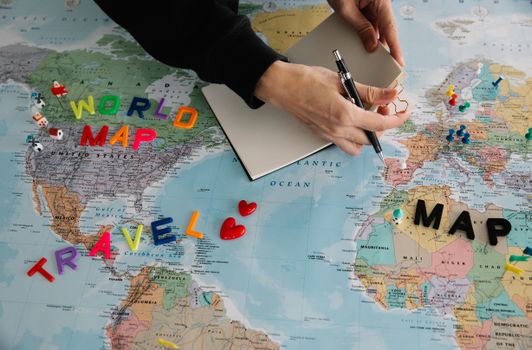
Build a detailed itinerary with room for flexibility
Travelers tend to fall into two camps on scheduling. Some enjoy planning every minute, while others prefer a loose list of possibilities. One experienced planner admits to being very Type-A and once organized trips down to the five-minute mark, but has since loosened that approach. The lesson applies well to event-based trip planning: anchor your day around event times, but leave the gaps unfilled.
A strong daily structure looks like this. In the morning, visit a nearby attraction or neighborhood that is close to the event venue. Have lunch in the area and save a couple of backup food options. Arrive at the event with plenty of buffer time for security lines or crowds. After the event, keep the evening open or choose a spot that is on the way back to your accommodation. This pattern gives your trip rhythm without turning every moment into a timed obligation.
Most itinerary builders let you save places you want to visit and then arrange them by day. On Tripadvisor, for example, you can build a trip with your saves, get AI-driven custom recommendations, collaborate with friends who are joining you, and organize your trip ideas as you go. Collaboration is particularly useful for group trips where everyone has a different opinion on what to see.
Use AI trip planning tools to speed up the research phase
Artificial intelligence has changed how quickly travelers can assemble a draft itinerary. Services like the Canva trip planner let you enter your travel details into Magic Write and produce an itinerary in seconds. Stippl takes a similar approach, offering a free AI trip planner that builds a full itinerary quickly while also helping you track your budget and manage packing lists.
AI-generated recommendations are a strong starting point, not a final answer. The pack notes that one service, Stippl, is the free AI trip planner used by 1.5 million or more travelers, which shows how widely accepted these tools have become. Still, when your trip depends on a specific event, you should confirm dates, ticket policies, venue rules, and opening hours with the event organizer or the official local tourism office before you book anything.
You can also combine AI suggestions with user-shared content. Wanderlog, for instance, lets you explore guides created by other travelers, which can reveal event-adjacent tips such as the best places to stand, eat, or park near a venue. Layering crowd-sourced knowledge over AI output tends to produce a more realistic plan.

Weigh fully planned trips when you want a surprise
Not every traveler wants to build an itinerary from scratch. Pack Up + Go offers a different model: an expert travel planner selects the destination for you, and the destination is a surprise until you receive the details. The company says all of its trips are planned by real humans, never AI, and every trip is backed by 24/7 Traveler Support.
This option suits travelers who enjoy spontaneity and trust a professional to handle the logistics. A surprise destination is harder to pair with a must-attend event, since you cannot choose the city or the date. If the event is the whole reason for the trip, a self-built itinerary with the tools above gives you more control. If you are open to any destination and simply want a break, a fully planned trip could be the easier path.
For event-driven travel, the practical middle ground is to use an AI or app-based planner to generate ideas, then apply your own knowledge of the event and its location to refine the plan.

Keep bookings, budget, and packing in the same workflow
Once the itinerary structure is in place, the remaining work is administrative. Managing bookings seamlessly becomes much simpler when your travel app stores confirmations alongside your schedule. Tools like Wanderlog and TripIt are designed to hold this information, and Stippl adds budget tracking and packing lists to the same workspace.
A practical order of operations helps too. Book the event tickets first, because the event date drives everything else. Then book accommodation and transport that align with the event schedule. Use an app to track what you have spent so far, and build a packing list around the event type. A festival might need rain gear and comfortable shoes, while a conference could call for business attire and chargers.
Keeping every trip in one place also pays off after you return. You can revisit the itinerary, share recommendations with friends, or reuse the structure for a similar trip next year. The research pack shows that travelers consistently value having all planned trips stored together, whether online or in an app.
Frequently Asked Questions
What is the best app for trip planning?
There is no single best app because travelers have different needs. TripIt is widely praised for keeping all planned trips in one place through a free app. Wanderlog is a strong choice for detailed itineraries, user-shared guides, and booking management. Stippl appeals to budget-minded travelers with its free AI planning and built-in cost tracking. Many travelers test one tool per trip and stick with the one that feels easiest.
Can AI really build a useful trip itinerary?
Yes, AI tools can build a useful draft in seconds. Canva's Magic Write generates an itinerary from your travel details, and Stippl positions itself as a free AI trip planner used by millions of travelers. Tripadvisor also offers AI-powered custom recommendations. The best approach is to treat AI output as a starting point and verify event times, venue rules, and local details with official sources.
How do I find local events when planning a trip?
Search online for local-area event calendars and review what they list before you finalize plans. If you are traveling to another country, use a translation tool so you can read event listings in the local language. Sites like Meetup.com can also help you discover interest-based gatherings and smaller community events that are not listed in standard travel guides.
Are there free options for event-focused trip planning?
Yes. Stippl markets itself as a free AI trip planner with itinerary building, budget tracking, and packing lists. TripIt offers a free app that keeps your planned trips in one place, and Tripadvisor's itinerary builder lets you organize saved places and ideas at no cost. Free tools are a practical way to test a planning workflow before committing to a paid service.