
In event management, the venue is one of the most critical elements that can impact the success of an event. It sets the tone, limits or expands what you can do with catering, staging, and entertainment, and shapes how guests experience the day from arrival to departure. Treating venue selection for events as a structured decision instead of a quick scroll through listing photos is what keeps the rest of the planning on solid ground.
What Counts as a Venue
A venue is a physical space where an event takes place. That definition covers banquet halls, conference centers, hotels, parks, and any other space able to accommodate a group of people. Because the category is so broad, a useful shortlist gets built from requirements rather than from venue types. A park and a hotel ballroom can both be the right answer for the same event if they satisfy the same set of criteria.
Step One: Define the Event Requirements
Before browsing listings, write down what the event actually needs. This is the foundation of the process, and it prevents the common trap of falling in love with a space that cannot support the program you have in mind. Requirements should cover attendance, format, timing, budget, and the experience you want guests to have.
Questions Worth Answering First
- How many people are expected, including staff, vendors, and performers?
- What type of event is it, and what tone should the space project?
- Which day and time window works for your audience?
- What is the total budget, and which venue costs sit inside it?
- Which accessibility and comfort needs must be met?
- Does the event need separate zones for different activities?
- Will the event be promoted and ticketed through an online platform?
Answers to these questions become your filter. Any venue that fails a hard requirement, such as capacity or availability on your date, drops off the list before you spend time on a site visit.
Step Two: Research Potential Venues
Research is where you gather more options than you think you need, then narrow. Pull candidates from multiple directions: venues you have attended yourself, recommendations from other organizers, local event calendars, and location-based event search tools that surface nearby spaces and attractions. Build a simple comparison sheet with columns for capacity, availability, cost range, and any must-have amenities, and record what you find as you go.
The goal at this stage is not to choose. It is to build a shortlist that is realistic on budget and large enough to give you negotiating room. A list of three to five strong candidates usually compares better than a single favorite, because you can weigh trade-offs instead of rationalizing one option.
Step Three: Visit the Venue in Person
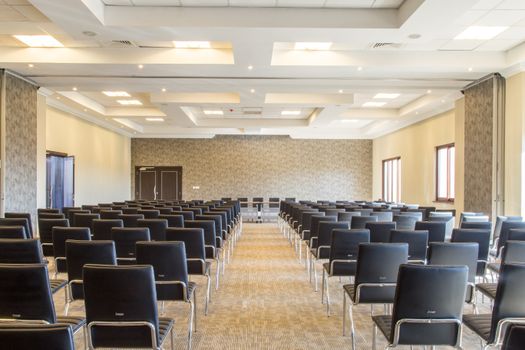
Photographs rarely show ceiling height, awkward pillars, sound bleed from a neighboring room, or where guests will queue for coats and drinks. A site visit answers questions that no listing can. Walk the space the way a guest would, from the entrance through the main room and toward the restrooms, and picture the event playing out at full attendance.
- Measure usable floor area rather than trusting a capacity number.
- Check where tables, staging, and any equipment would physically fit.
- Listen for noise from outside, from adjacent rooms, and from ventilation.
- Confirm setup and teardown windows and when your team can access the space.
- Ask what the rental fee includes and what is billed separately.
- Ask whether outside catering, entertainment, or decor vendors are permitted.
If possible, visit at the same time of day as your event. Traffic patterns, natural light, and parking availability all shift between morning and evening, and those differences affect guest experience.
Step Four: Evaluate and Compare
Once visits are done, score each venue against the same criteria. Structured comparison is what turns a pile of impressions into a decision you can defend to a client, a committee, or your own budget.
| Factor | What to Examine | Why It Matters |
|---|---|---|
| Budget | Rental fee, deposits, inclusions, and add-on costs | Cost filters the list faster than any other factor |
| Space specifications | Usable area, layout, ceiling height, staging options | The room has to physically support your program |
| Day and time availability | Open dates, access hours, setup and teardown windows | A perfect venue on the wrong date solves nothing |
| Appropriateness for the event type | Format fit, ambiance, formality, seating style | Sets the tone guests read immediately |
| Parking and access | On-site parking, drop-off, transit links, accessibility | Arrival friction colors the whole event |
| On-site amenities | Kitchen, furniture, AV, climate control, restrooms | Reduces outside rentals and coordination work |
Budget and Availability
Budget sits at the top of nearly every venue selection checklist, and for good reason. It determines how many options you can genuinely consider. Go beyond the headline rental fee and ask about deposits, insurance requirements, staffing charges, cleaning, overtime, and any minimum spend on food and drink. Two venues with the same base rate can land in very different places once the extras are added.
Day and time availability works the same way. A space that fits your budget and your guest count but is already booked on your date is not a real option. Confirm availability in writing, ask how long a hold lasts, and understand what happens if your date changes.

Space Specifications, Size, and Layout
Evaluate size and layout against the way you want the event to function, not just against a maximum occupancy figure. Multipurpose ballrooms and banquet halls offer flexibility, but flexibility is only useful if the room can be rearranged within your access window. Ask for a floor plan and sketch your setup onto it before you commit.
Rooms That Evolve Through the Event
Look for venues that allow the room to evolve throughout the event, offering separate areas for meals, mingling, and downtime if needed. A single open hall forces every activity into one configuration, while a space with distinct zones lets guests move naturally and gives the event a sense of progression rather than one long stretch in the same seat.
Access, Parking, and Arrival
Guest experience starts before anyone walks through the door. Look for venues that offer ample, free parking onsite when your audience is likely to drive, and think through how people will arrive if they are not. Check drop-off points for rideshares, proximity to public transit, and the route from the entrance to the main room.
Accessibility deserves the same attention. Confirm step-free entry, accessible restrooms, and enough space for mobility devices between tables. If the venue is difficult to find, plan for signage or clear directions in your event communications. These details cost little to address early and are expensive to fix on the day.
Build a Decision Matrix
A decision matrix makes the final choice faster. List your venues down one side and your criteria across the top, then weight each criterion by how much it matters for this specific event. Cost, capacity, access, and brand fit carry different weight depending on whether you are planning a networking mixer, a conference, or a community celebration.
- Assign a weight to each criterion, with the total adding up to a fixed number.
- Score each venue against every criterion on a consistent scale.
- Multiply scores by weights and total the columns.
- Review the top two against your gut instinct and your budget.
- Negotiate terms on your preferred option before signing anything.
The matrix does not make the decision for you. It shows you why one venue is ahead, which is exactly what you need when you explain the choice to others.
Using Location Tools in Your Search
Location-based event platforms can speed up the research stage by surfacing nearby venues and attractions alongside the events already happening there. Seeing what a space hosts regularly gives you a sense of its capacity in practice and its fit for your audience. On Eventweet, discovery and event creation sit in the same place, so venue research, event setup, RSVP tracking, and promotion can move forward together rather than across scattered tools.
Frequently Asked Questions
What is a venue in event management?
A venue is a physical space where an event takes place. It can be a banquet hall, conference center, hotel, park, or any other space that accommodates a group of people. In event management, the venue is one of the most critical elements that can impact the success of an event, because it influences catering, layout, guest comfort, and the overall tone of the occasion.
What factors matter most when choosing a venue?
Budget, space specifications, day and time availability, and appropriateness for the type of event sit at the top of most checklists. Parking, accessibility, amenities, and layout flexibility follow closely. Rather than ranking these once and applying the same order every time, weight them against the specific event you are planning and the audience you expect to attend.
Why should I visit a venue before booking it?
Listings and photos rarely capture ceiling height, pillars, noise, or the flow between rooms. A visit lets you measure usable space, test how your setup would fit, check parking and arrival routes, and ask directly what the fee includes. Visiting at the same time of day as your event gives you the most accurate picture.
How do I compare venues fairly?
Score every venue against the same weighted criteria using a decision matrix. Cost, capacity, access, and brand fit each receive a weight that reflects their importance for your event, and each venue gets a consistent score. Totals give you a defensible shortlist, which you then confirm through direct conversation and negotiation with the venue.
What should I ask about parking and access?
Ask whether the venue offers ample, free parking onsite, where guests should be dropped off, and how close the nearest public transit stops are. Confirm step-free entry, accessible restrooms, and aisle widths for mobility devices. If arrival is likely to be confusing, plan signage and include clear directions in your event communications before the day arrives.