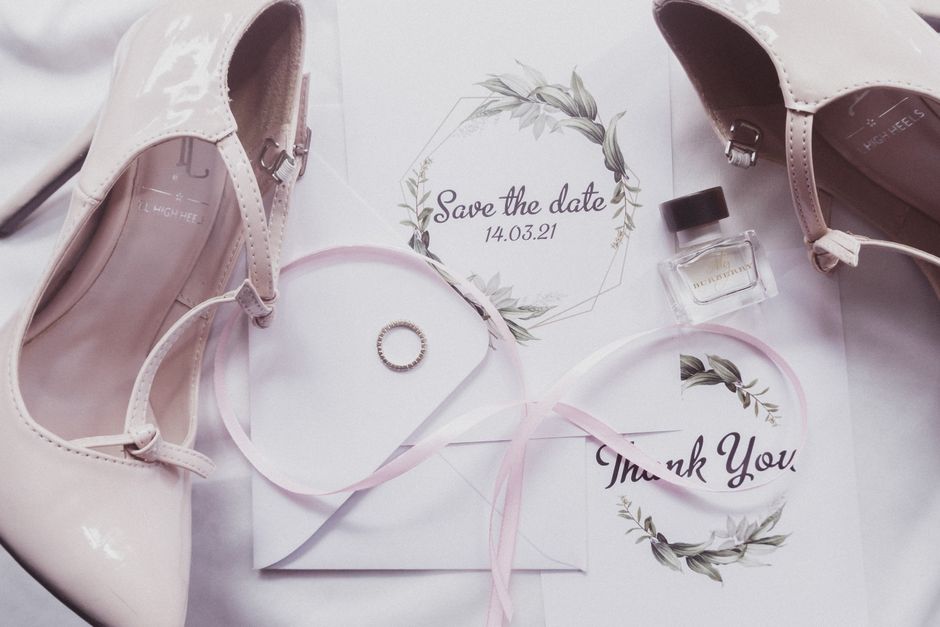
Save the date cards feel like a permanent fixture of wedding planning, sitting somewhere between a casual heads-up and a formal invitation. They are not. By most accounts the habit is only a few decades old, and its rise into everyday use happened within living memory of many couples now planning weddings.
The short version: save the date cards became popular in the mid-2000s and have taken off in the years since, according to the wedding stationery studio Digby & Rose in its history of the custom. Other wedding industry coverage describes the card as having a relatively recent history that dates back to the late 20th century. Both descriptions point the same way. The card existed earlier, and it became a normal part of wedding planning much more recently.
What follows is the timeline those sources support, the etiquette that grew up around it, the difference between a save the date and an invitation, and how the idea moved from printed paper into digital planning tools.
The Short Answer: The Mid-2000s Made Save the Dates Mainstream
A 2013 article on the Digby & Rose blog titled "How We Started to Save the Date" states plainly that save the date cards became popular in the mid-2000s and have taken off in recent years. The same piece points out how little the cards actually do, noting that they do little more than announce the date of the wedding.
That small job is the whole point. A save the date asks guests to do exactly what the name says, which is to reserve the date in their calendar. It lets people plan ahead and signals that a formal invitation will arrive later.
So if you are trying to date the trend, the mid-2000s is the point where the card moved from an option some couples used into something a large share of couples expected to send.
Before That: A Late 20th Century Custom
Popular in the mid-2000s does not mean invented then. A December 2024 etiquette and trends article from Wedgewood Weddings notes that save the date cards, although now a common part of wedding preparations, have a relatively recent history that dates back to the late 20th century.
Put the two accounts together and the shape of the trend becomes clear. The closing decades of the twentieth century are when the card appeared as its own piece of wedding stationery. The mid-2000s are when it crossed into the mainstream and stopped being a nice extra.
Why the Custom Gained Ground
The reason save the dates exist at all comes down to how much notice guests need. Emily Post's 1922 book "Etiquette" remains a popular and regularly updated handbook for hosts, and Post and the etiquette writers who followed her always suggested giving guests plenty of notice. In her day, the average timed invitation went out about three weeks before the wedding.
Three weeks assumes guests live nearby, keep their calendars lightly, and can rearrange a weekend at short notice. As people became more widely connected, the need to give guests even more notice about a wedding date became part of what the Digby & Rose history calls the New Normal.
Guests scattered across cities and time zones need time to book travel, request leave, arrange childcare, and set money aside. Three weeks is not enough for any of that. A save the date stretches the useful planning window without committing the couple to final details that may still be changing.

An American Tradition That Travelled
The custom did not spread everywhere at once. Utterly Printable describes save the date cards as fairly new to the UK market, a tradition from America that has become popular there. That source also notes the confusion the card causes, because couples are often unsure whether a save the date replaces a wedding invitation or sits alongside one.
The pattern is familiar. A stationery habit takes hold in one market, gets picked up by wedding media and photographers, and gradually becomes expected elsewhere. The mid-2000s date attached to the American trend lines up with the point where the card started turning up in UK wedding planning conversations too, though adoption there is described as more recent.
Save the Date Cards vs Wedding Invitations
The most common question about save the dates is how they differ from the invitation. The two pieces of stationery have a clear division of labour. A save the date tells the guest to reserve the date. A wedding invitation is the formal request to attend.
| Piece of stationery | Main job | What it contains | What it asks of the guest |
|---|---|---|---|
| Save the date | Announce the date so guests can hold it | The request to save the date, plus some information about when and where the wedding will be held | Reserve the date and watch for the invitation |
| Wedding invitation | Formally invite the guest to the wedding | The formal invitation, sent at a later date once details are settled | Respond to the invitation |
Neither one replaces the other. A save the date that tries to do the job of an invitation skips the planning step that gives guests time to arrange travel. An invitation sent without a save the date is perfectly workable, but it compresses the notice period and can leave guests hurrying.
How Far in Advance People Actually Send Them
There are no hard and fast rules for when to send save the date cards, but a widely used guide is up to six months beforehand for a local wedding, and a year or more in situations where guests need more time to plan.
Paperless Post gives a slightly different rule of thumb. Save the dates should generally be ordered, designed, and sent six to nine months before the wedding date. The two guides overlap comfortably. Six to nine months is a safe working window for most weddings, and the earlier end of that range suits weddings that require travel.
Order and design time matters as much as postage. Couples who want custom artwork, address collection, or printed proofs should work backwards from the send date and start well before the six month mark.
Why Some Couples Push Back
Not everyone is convinced the card is necessary. In a wedding planning forum thread, one person asked why they could not simply send invitations six months out and be done with it. The question comes up often enough that group discussions about the difference between a save the date and an invitation exist purely to untangle it.
The honest answer is that a save the date is a convenience rather than an obligation. It buys guests time and gives the couple a low pressure way to announce a date before final details are locked. Couples who are happy to send invitations early, and to answer a stream of early questions, can skip the card entirely.
From Paper to Digital Save the Dates
Because the card carries so little information, it adapted quickly to digital delivery. A save the date only needs a date, a rough location, and a request, which makes it well suited to email, social posts, and event platforms.
Eventweet, a mobile-first platform for discovering, creating, and promoting events, applies the same principle far beyond weddings. Its location-based event search helps people find nearby venues and attractions, and its event creation tools handle RSVP tracking and ticketing. An AI prompt generator produces event descriptions, marketing assets, and promotional copy, while social networking features such as profiles, feeds, and posts let hosts share a date with followers long before formal details are ready. For a wedding, a conference, or a community meetup, the early announcement does the same job the printed card has done since the custom took hold, holding a date before the details are final.
A Brief Timeline at a Glance
- 1922: Emily Post's "Etiquette" is published, and the etiquette of the era treats roughly three weeks of notice before a wedding as normal.
- Late 20th century: save the date cards emerge as a distinct piece of wedding stationery.
- Mid-2000s: the cards become popular, according to a wedding stationery history of the custom published in 2013.
- Recent years: the practice keeps taking off, and spreads further into markets such as the UK, where it is described as a newer American import.
What This Means If You Are Planning Now
Because the trend is recent, save the date etiquette is still flexible. There are no hard and fast rules, only working guides. Six to nine months before the wedding is a reasonable standard, and longer notice is better when guests have to travel.
Before finalising wording or placing an order, check the details with your stationer, venue, or platform, especially if your plans include elements the general guides do not cover. Wedding customs vary by region, family, and culture, and the sources describing this trend describe an American habit that has spread unevenly.
Frequently Asked Questions
When did save the date cards become popular?
Save the date cards became popular in the mid-2000s and have taken off in the years since, according to a history of the custom published by the stationery studio Digby & Rose in 2013. Other wedding industry coverage traces their early history back to the late 20th century, so the card existed for years before it became a mainstream expectation.
How far in advance should save the dates be sent?
There are no hard and fast rules, but a widely used guide is up to six months beforehand for a local wedding, with a year or more where guests need extra time. Paperless Post suggests ordering, designing, and sending them six to nine months before the wedding date, which is a comfortable window for most couples.
Are save the dates still used?
Yes. Wedding industry sources describe save the dates as now a common part of wedding preparations, and note that the practice has become increasingly popular. Because the card does little more than announce the date, it remains useful for guests who need to book travel, request leave, or hold a weekend well before invitations are sent.
What is the difference between a save the date and a wedding invitation?
A save the date tells guests to reserve the date in their calendar, gives some information about when and where the wedding will be held, and lets them know a formal invitation will follow later. The wedding invitation is that later, formal request to attend. The two pieces of stationery have different jobs and do not replace each other.